


Learning how to edit photos professionally starts with a repeatable process. Inspect the original, decide what the image must communicate and make corrections in an order that avoids unnecessary rework. A professional finish should preserve useful detail and suit the place where the image will be used.
How to edit photos professionally: start with the brief
Decide whether the image is for a product listing, portrait, print layout or social post. Confirm the required dimensions, crop and colour treatment. Keep an untouched original and work on a copy or an editable document so that changes can be revised.
Inspect focus, exposure and the available detail before editing. Severe motion blur, clipped highlights and missing information cannot always be repaired. Identify those limits early rather than repeatedly applying stronger filters.
Correct exposure and white balance
Adjust overall brightness while watching both highlights and shadows. A brighter image is not automatically better if important surface details disappear. Use a reference where accurate product or clothing colour matters.
Correct an unwanted colour cast before applying a creative style. Compare related images together so that the same item does not change colour across its gallery. Avoid treating a monitor preview as a guarantee of identical colour on every device.
Choose a crop that serves the subject
Remove distractions at the edge of the frame while leaving the space needed for the intended layout. For product catalogues, agree consistent margins, alignment and apparent scale. Keep a larger master file when several output formats are needed.
Check perspective carefully. An adjustment that straightens a background can also alter the subject’s proportions. Preserve the shape of products and the appearance of people unless a different creative treatment has been agreed.
Use targeted corrections
Make local changes where they are needed rather than applying the same strong effect across the whole image. Use masks and editable layers to separate corrections. Remove temporary dust or shooting distractions without hiding product details that buyers need to see.
When isolating a product, choose the selection method that suits its edge. Solid shapes may suit manual clipping paths; fine hair, fur or translucent materials may need masking. Check the result against more than one background.
Balance texture, noise and sharpening
Excessive smoothing can make skin, fabric and other materials look artificial. Strong sharpening can introduce halos and exaggerate noise. Compare before and after views at both detail size and normal viewing size, and reduce an adjustment when it distracts from the subject.
For portraits, agree the level of retouching with the subject or client. For products, preserve stitching, logos and surface texture. Detailed photo retouching should improve presentation while keeping the image believable.
Export and inspect the actual files
- Use the dimensions and file format required by the destination.
- Use a transparency-capable format when transparent output is needed.
- Check file size and compression without losing important detail.
- Keep filenames organised and retain an editable master where agreed.
- Open the exported files to confirm the final crop, colour and background.
Desktop and mobile editing tools can support useful workflows; the right choice depends on the amount of control and repeatability needed. Our Lightroom and Photoshop comparison outlines different editing roles.
If outsourcing part of the work, share representative originals, a reference and a clear list of corrections. Review real editing projects and request a quote based on your files rather than an outdated price list inside an article.
Questions about how to edit photos professionally
Should the same adjustments be applied to every image?
A shared preset can provide a starting point for related captures, but each image still needs review. Changes in lighting, material or exposure may require individual corrections. Compare the finished set together rather than assuming identical settings produce identical results.
When is an image ready to deliver?
It should meet the agreed visual reference and file requirements. Check the exported result for detail, colour, crop, size and naming. Keep the original and the editable master so that later revisions remain possible.
See a real product-image example
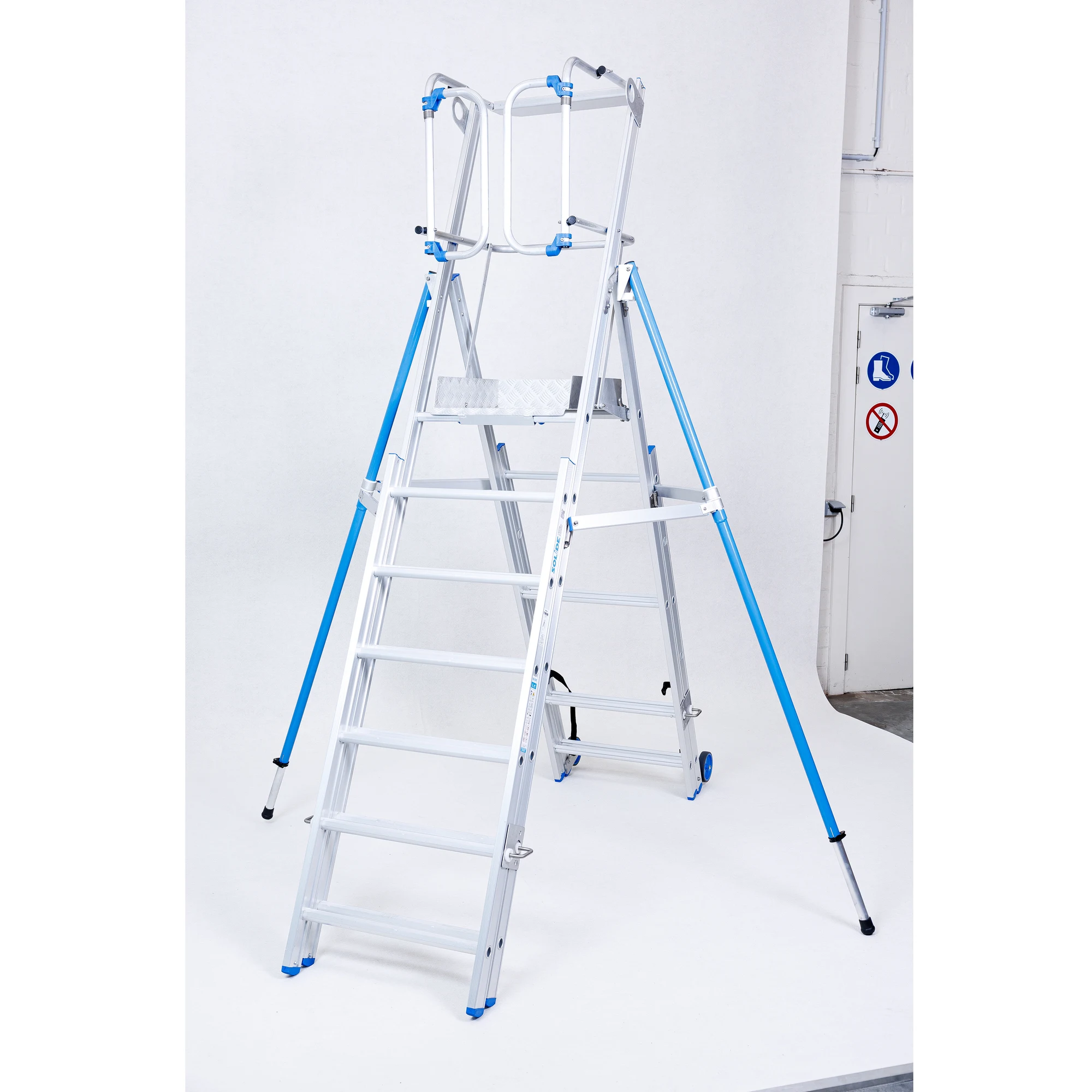
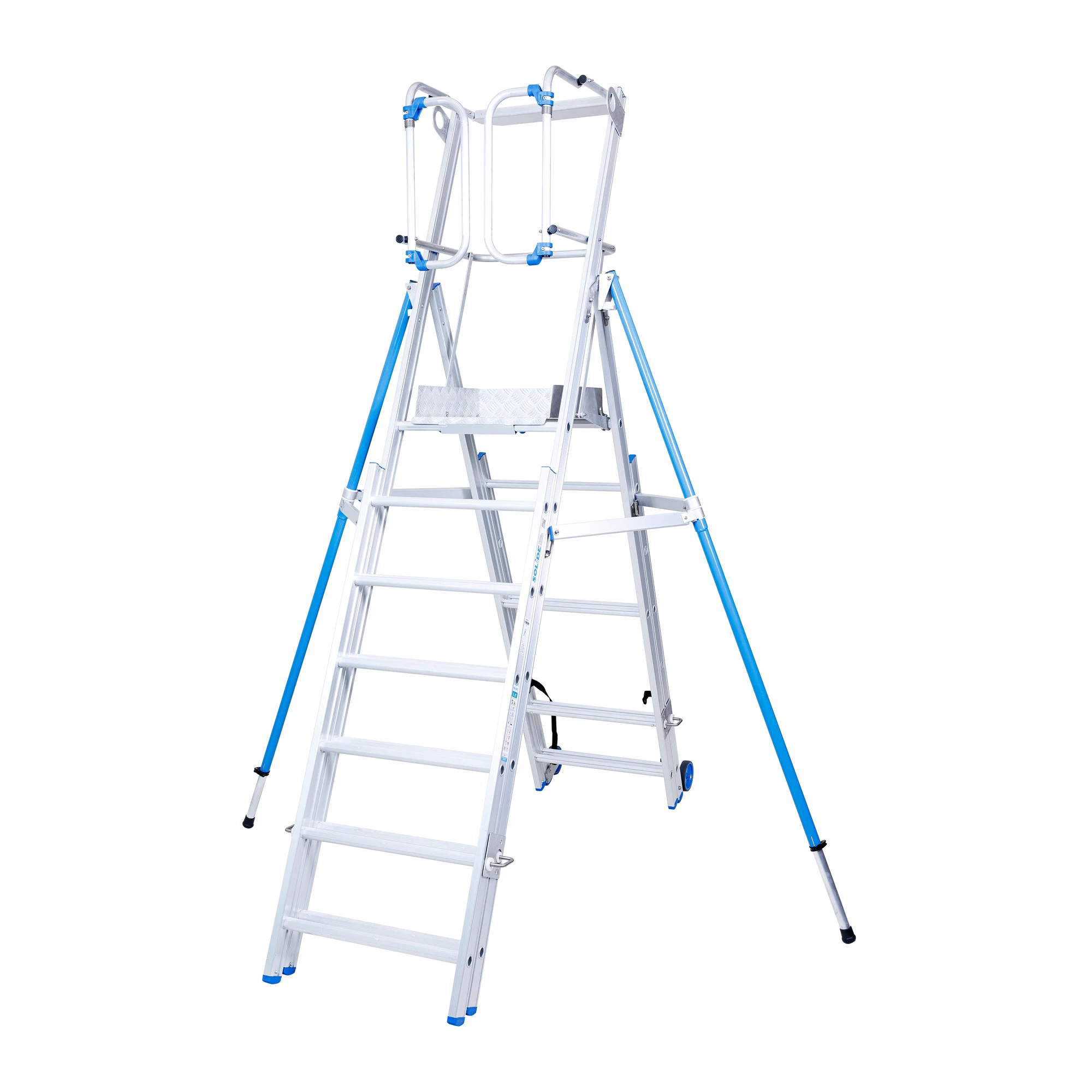
This approved project shows a platform ladder before and after background removal. The editing isolates the product and retains its structure, including narrow spaces between the rails and steps. See the full ladder cut-out case study for the project context.
Low Light Photography: Capturing Movement
October 26, 2026[…] the original file and use an editable workflow so that corrections can be revised. Our guide to editing photos professionally explains the next production […]