

PROJECT REQUIREMENTS
Ghost mannequin editing for clothing catalogues.
Ghost mannequin editing works best when the main garment image and inner-neck or lining photograph match in angle and lighting. Send those source views together and identify the garment shape you want preserved.
Clarify whether labels, seams, fastenings and natural fabric texture should remain visible. A missing source area may require additional reconstruction, which we assess before confirming the quote.
ABN CLIPPING HOUSE · GHOST MANNEQUIN
Invisible mannequin editing that preserves garment shape
Create a hollow mannequin effect for clothing catalogues and online stores. We combine suitable garment photographs to remove the mannequin and reconstruct visible neck or inner areas.
What we can help with
- Mannequin removal
- Neck and inner-panel compositing
- Garment alignment and cleanup
- Consistent backgrounds and output sizes
Work examples
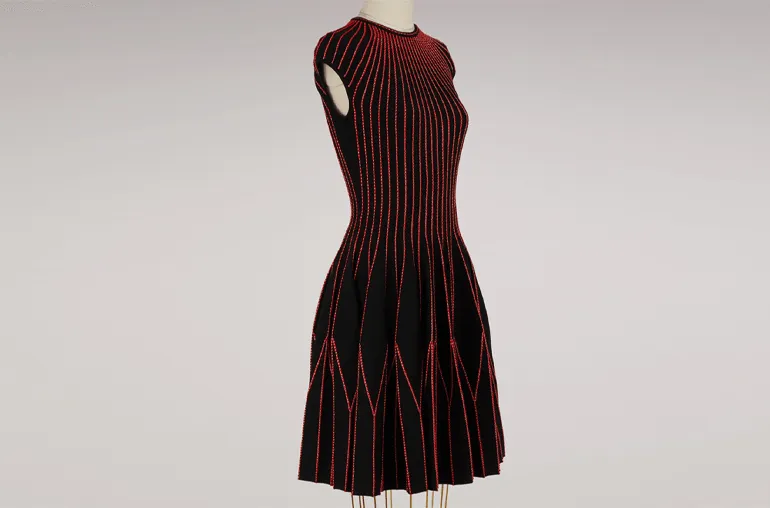
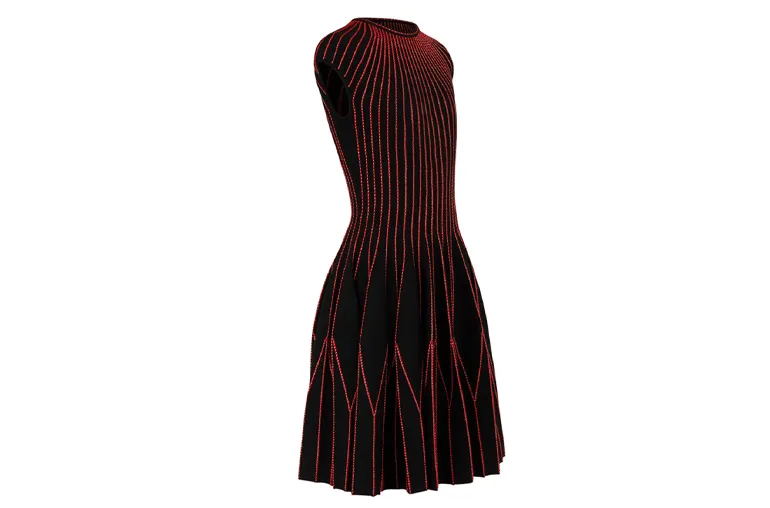
Send the right files for a clear quote
Send the main garment photograph plus matching inner-neck or lining shots where needed. Include your crop, background, and shape preferences. Missing source views may limit reconstruction.
What you receive
Receive clean JPG or transparent PNG garment images. Ask for layered PSD delivery if you need editable composites.
Pricing and delivery
From $0.50 per image. Reconstruction, garment detail and the number of source views affect the final quote. We confirm the total, file formats and delivery time after reviewing your samples. Please mention any urgent deadline before ordering.
Ghost mannequin editing for clothing catalogues
The hollow effect helps present a garment’s shape while showing selected interior areas, such as the back of a neckline. The source photographs guide what can be combined. A clear front view and a matching inner view make it easier to assess how the visible sections should join.
Tell us whether your catalogue uses a straight, symmetrical presentation or retains the natural arrangement from the shoot. Identify labels, seams, closures and fabric details that should remain visible. An approved reference helps communicate the amount of cleanup and alignment you expect.
Organise matching garment photographs
Group the main photograph and any supporting inner-neck, lining or rear views under the same product reference. Keep different colour variants and garment sizes clearly identified. This reduces ambiguity when several similar items are included in the same batch.
Supply the original files at the highest useful quality available. Include representative examples of different fabrics and garment shapes, especially if the collection contains transparent panels, textured knitwear or detailed trims. We review those areas before confirming the reconstruction work and delivery requirements.
Review the garment shape and detail
When checking a ghost mannequin sample, compare the shoulders, collar, sleeve openings and hem with the source photographs. Look at the transition between the outer garment and any inserted inner area. Confirm that the finish follows the reference and keeps the relevant construction details visible.
Review related product views together so their crop, positioning and background can be compared. Send feedback with the product reference and a clear description of the area to adjust. Agree the sample finish before using it as the reference for a larger collection.
Plan exports for your store
Specify the required background, image dimensions and file formats before production. If one garment needs several finished versions, list each version in the brief. Include any naming convention your team uses when uploading catalogue images.
For recurring ghost mannequin work, keep the approved sample with the current instructions. Explain changes in photography, garment types or output requirements with each new batch so the scope can be reviewed.
A straightforward way to work together
- Send samples and your brief. Include quantity, output requirements and deadline.
- Approve the scope and quote. We agree the edits and delivery details before production.
- Review your edited files. Tell us about any corrections against the agreed brief.
Need regular editing support? Tell us your typical batch size and style requirements so we can discuss a consistent workflow.