

CASE STUDY 05 • AUTOMOTIVE PRODUCT IMAGE EDITING
Automotive Parts Photo Editing: 11 Projects
A recurring production workflow for an automotive parts seller: manual clipping paths, clean product cutouts, consistent crops and several export formats for 679 images across 11 completed projects.
Returning client · February–October collaboration · Adobe Photoshop Pen Tool
679
Total images
11
Completed projects
Manual paths
Outer edges and internal cutouts
PSD / TIFF + WebP / JPEG
Requirements varied by batch
Turbocharger and fitting kit
Background separation around the turbocharger housing, gasket, bolts and seals, with the original labels and product details retained.
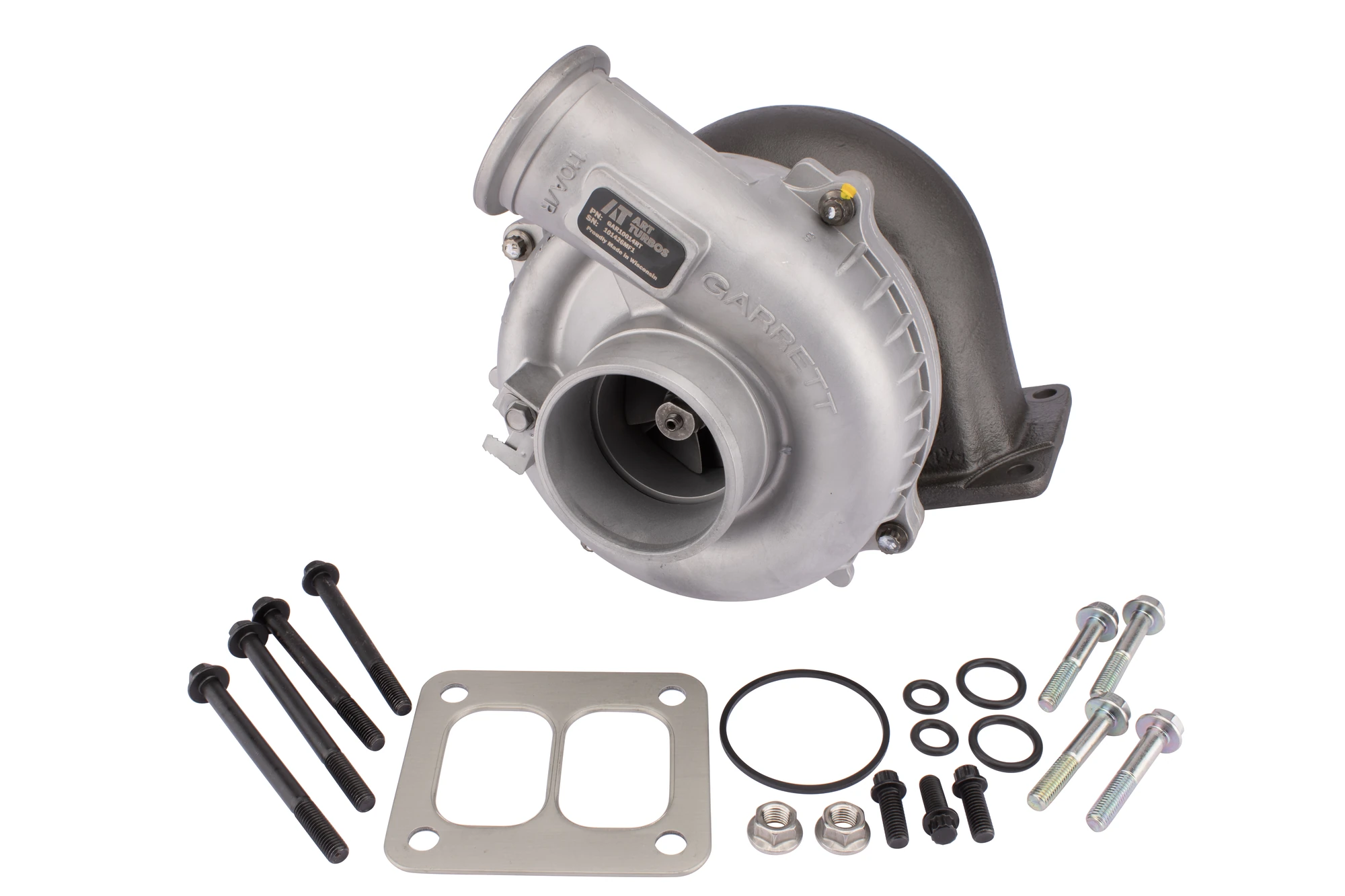
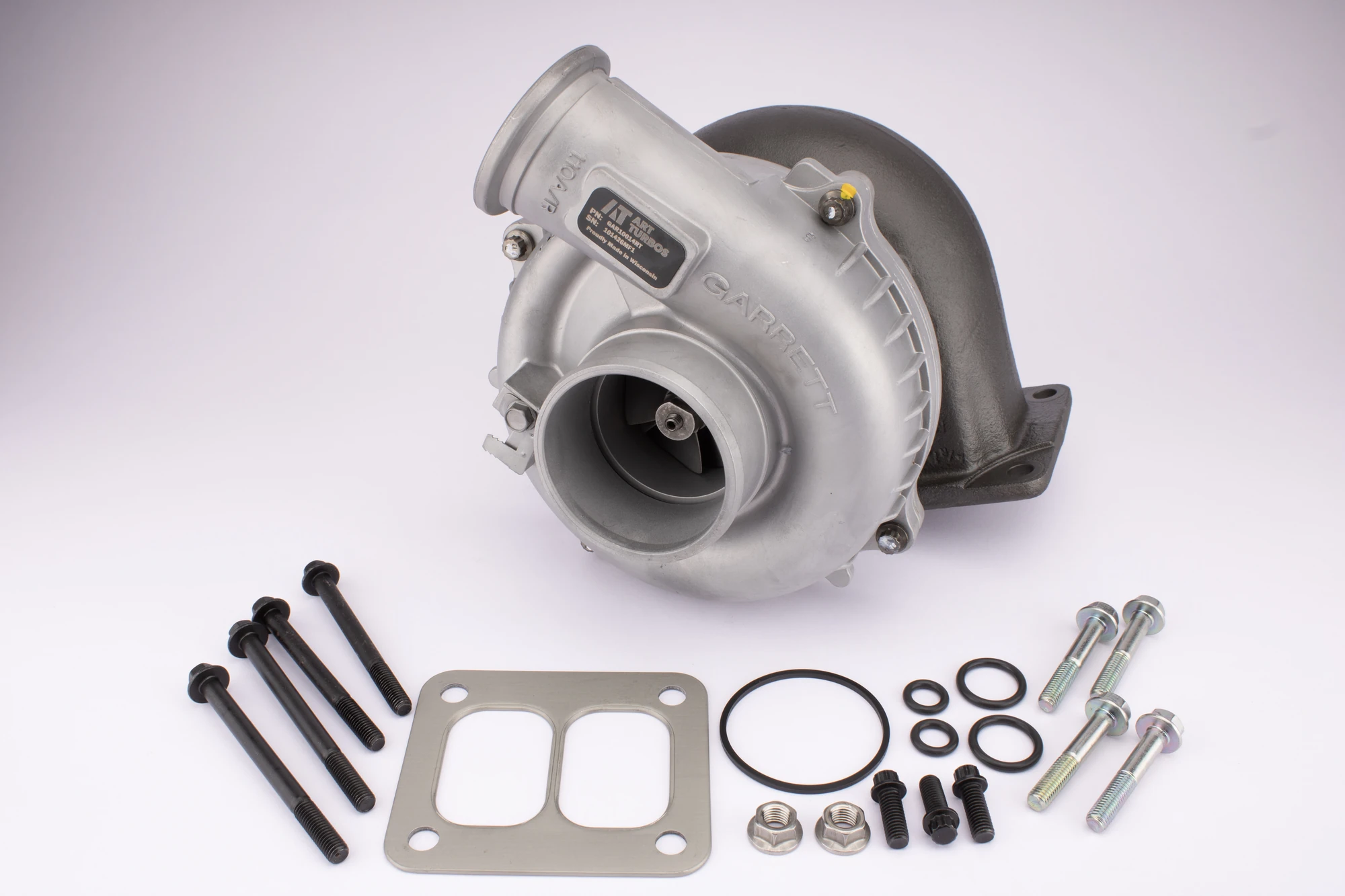 Before: Studio photoAfter: Clean cutout
← Drag to compare the original photograph and edited version. Arrow keys work when the comparison is focused.
Turbocharger housing — detailed view
A clean white background around the housing, actuator, wiring and red protective fittings.
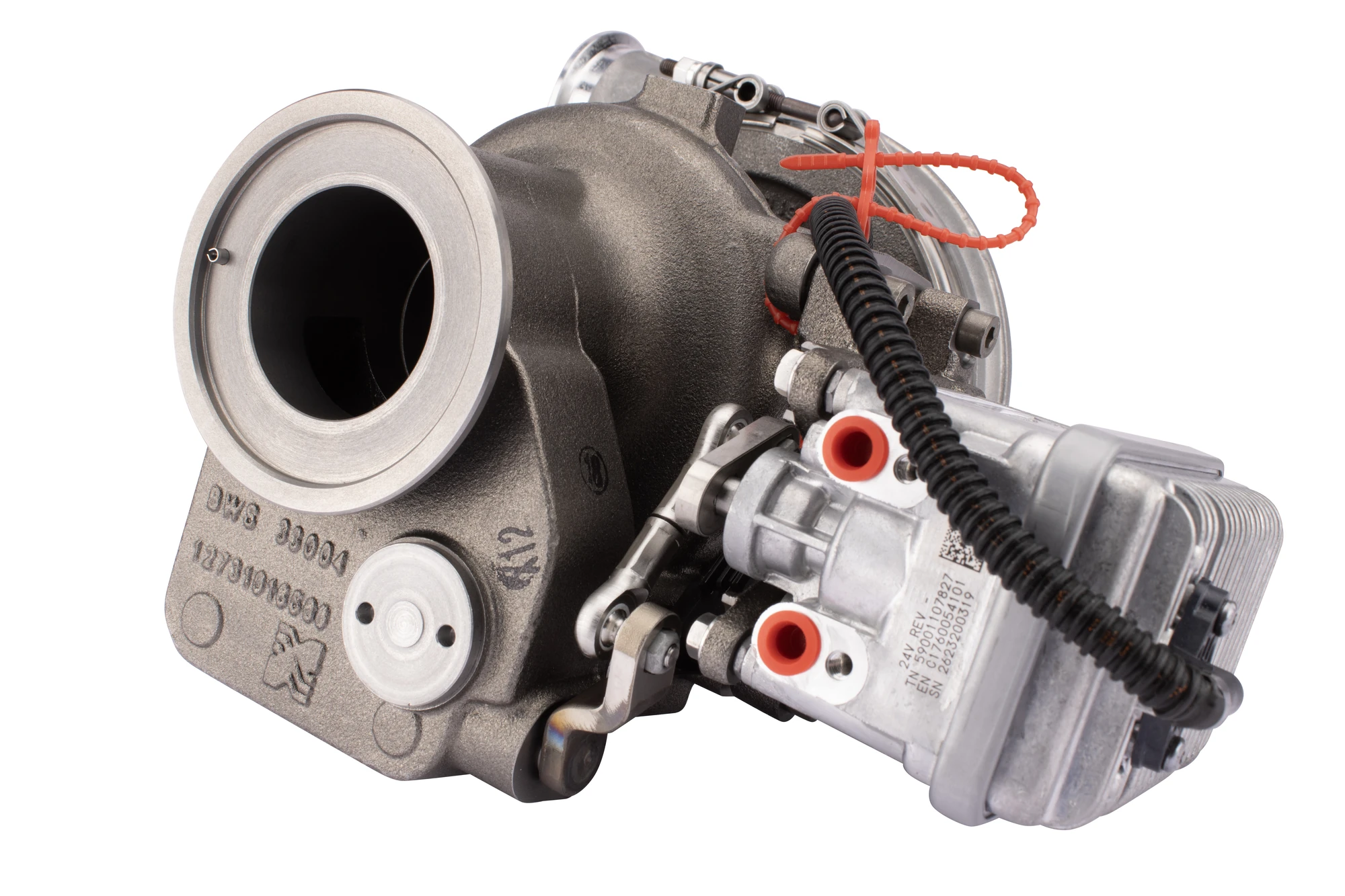
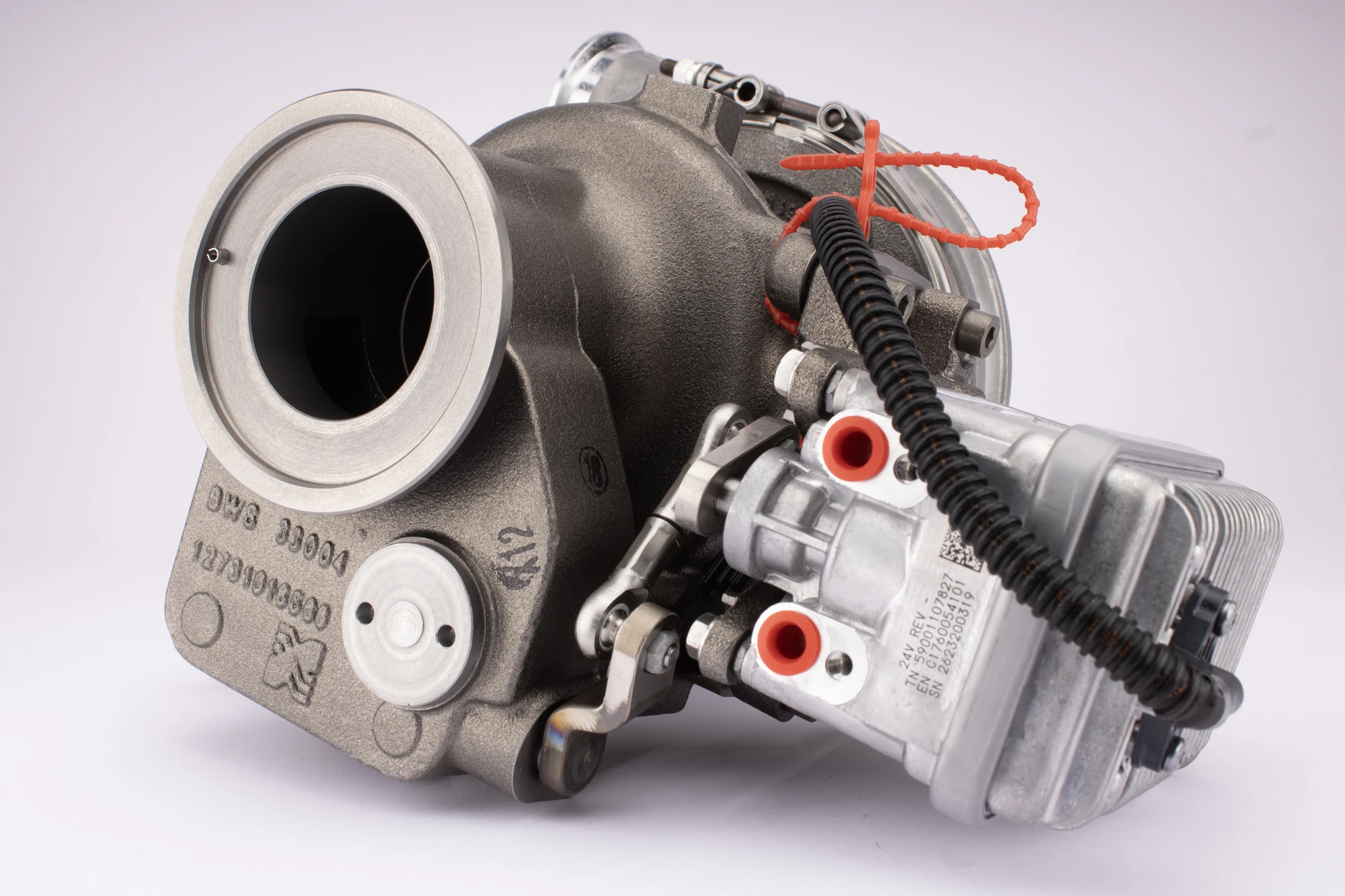 Before: Studio photoAfter: Clean cutout
← Drag to compare the original photograph and edited version. Arrow keys work when the comparison is focused.
Gasket, fasteners and seals
Clean separation around the individual hardware pieces and internal openings without changing the kit arrangement.
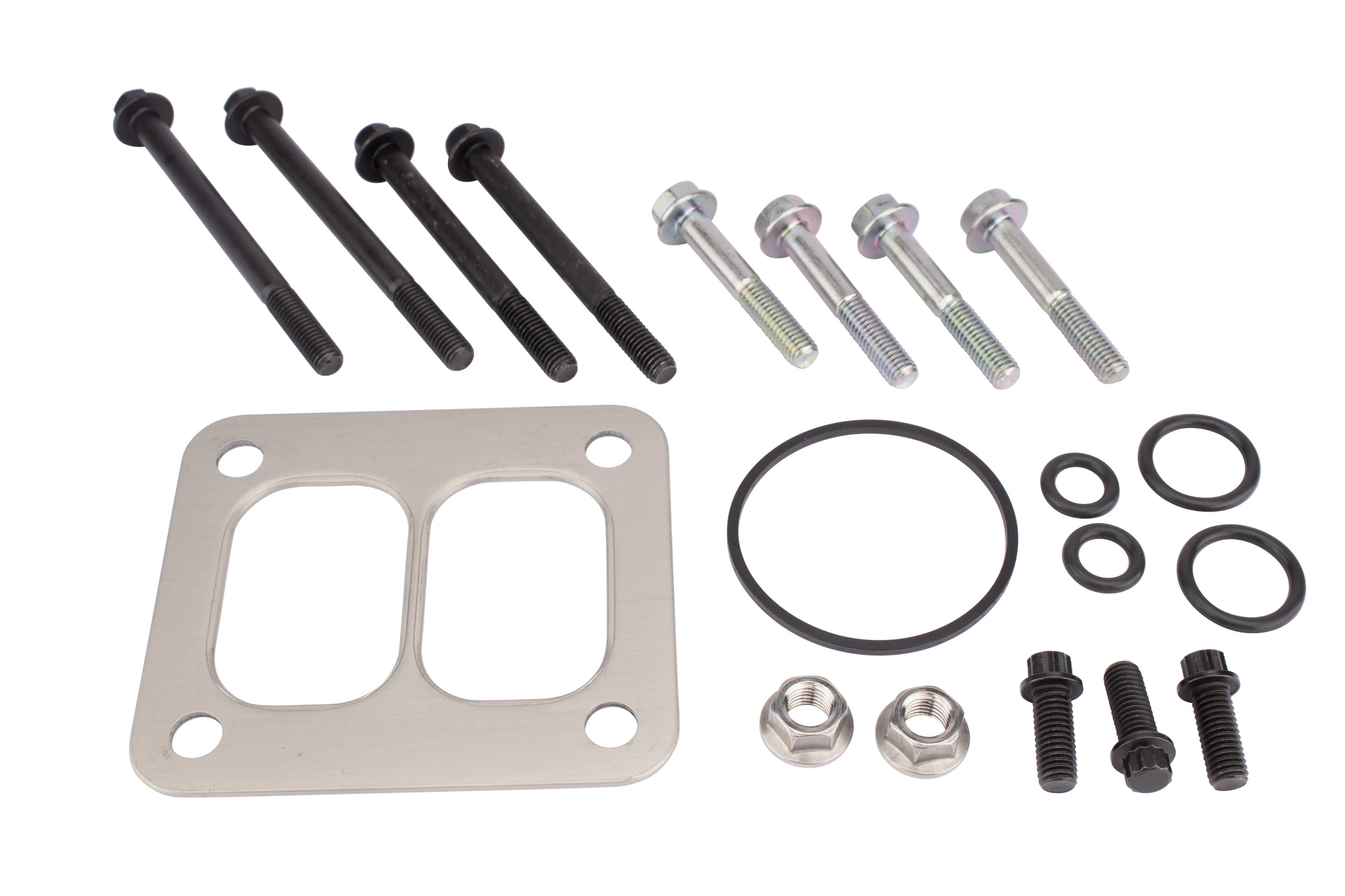
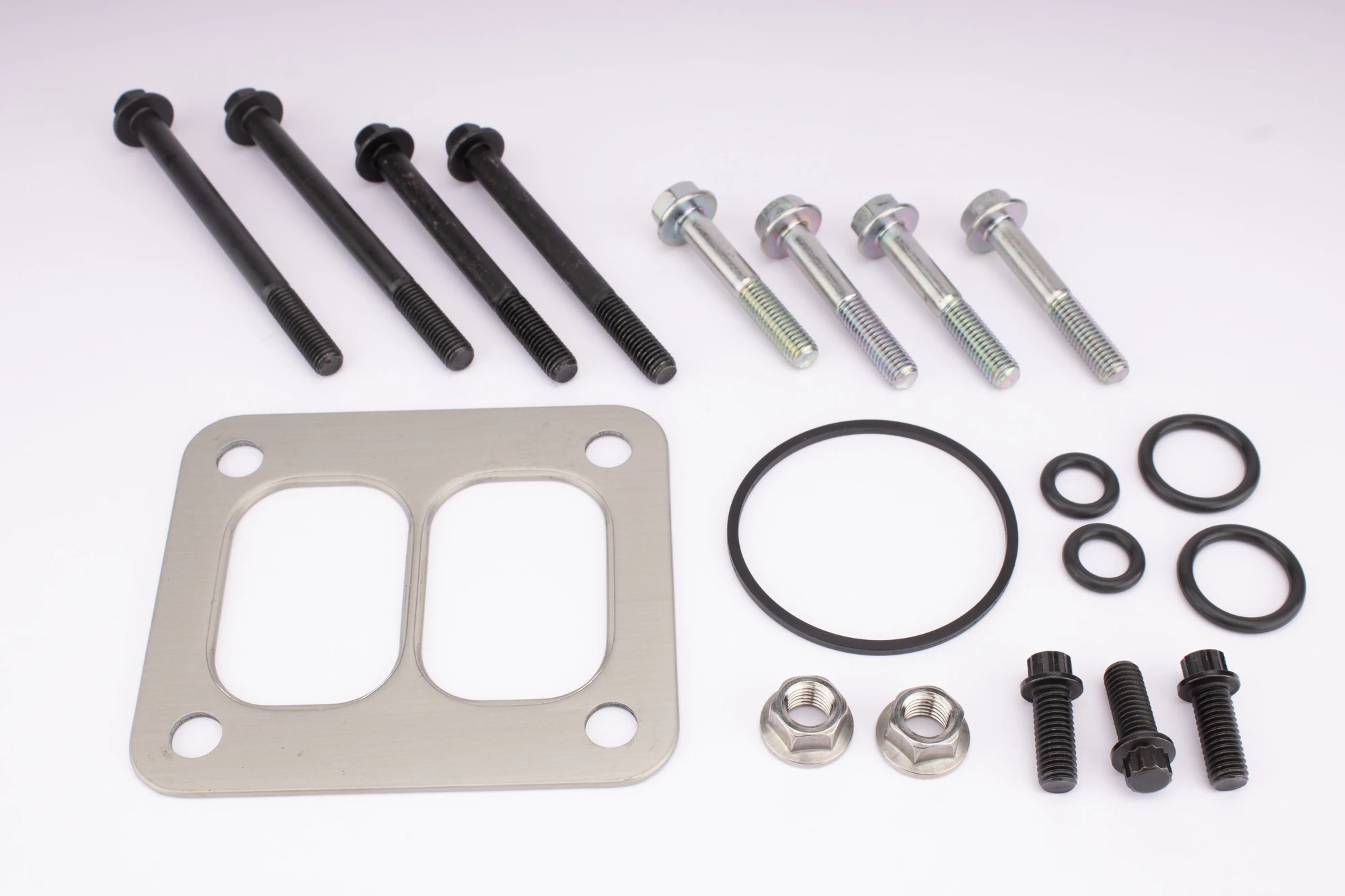 Before: Studio photoAfter: Clean cutout
← Drag to compare the original photograph and edited version. Arrow keys work when the comparison is focused.
The brief: a repeatable catalogue workflow
The client needed automotive product photographs clipped onto transparent backgrounds, with old-layer artifacts removed and products scaled to make better use of the canvas. Shadow and highlight adjustments were part of the brief where appropriate. The sample contained separate components and inner openings, so the work was assessed as medium complexity.
The workflow began with a sample rather than a full batch. RAW examples were supplied, and TIFF, WebP and JPEG sample versions were returned on 18 February. The client approved the sample before the first quoted production batch.
Manual paths around assemblies and small components
We used Adobe Photoshop and the Pen Tool to process the photographs manually. The work needed to separate the main product and individual accessories while keeping genuine labels, hardware and internal openings intact. Completed clipping work then went through a quality check before export.
The three comparisons above show why the small details matter. The turbocharger kit combines a large assembly with loose hardware; the closer housing view includes wiring and protective fittings; the gasket set requires clean boundaries around separate pieces and holes. The edited examples use white backgrounds for presentation, while the production brief also required transparent master files.
Export specifications evolved with the catalogue
| Stage | Master requirement | Web exports |
|---|---|---|
| Initial February brief | Full-resolution transparent TIFF, without unwanted artifacts | 1200 × 1200 WebP and 1500 × 1500 JPEG |
| April clarification | One PSD of the clipped full photograph; no separate PSD for each export size | Agreed web versions |
| August batch | Original clipped PSD | 1500 × 1500 WebP and 2500 × 2500 JPEG |
These are recorded batch requirements. The white-background WebP examples on this page illustrate the editing; they are not the transparent TIFF or layered PSD delivery files.
Batch delivery and client review
The first production offer covered 50 images. The order was acknowledged on 22 February, clipping completion was reported on 23 February, and the client confirmed downloading the delivery on 27 February. Later requests brought further batches of differing sizes through October.
Most individual offers allowed four to six days; the September batch of 115 images was revised to a seven-day allowance. These are agreed delivery windows, rather than proof that every batch took the same amount of time. Exact delivery timestamps are not available for all 11 projects.
The client continued sending work and confirmed the professional relationship and satisfaction with clipping, cropping and image editing in August. An empty delivery link was reported in October, showing that file access also needed attention during handover.
The documented result
The studio owner confirms 11 completed projects with this returning client. The examples show cleaner background separation and clearer presentation while retaining the photographed product details. The recurring work also established a process for approved samples, manual clipping, consistent canvas fitting and batch-specific exports.
The chat records 679 images across these 11 project batches. No measured sales or conversion result is claimed.
Have a similar automotive parts catalogue?
Send representative photographs, the expected batch quantity and your master-file and export requirements. We will review the difficult edges and internal openings before agreeing the production scope.
Discuss your product images →